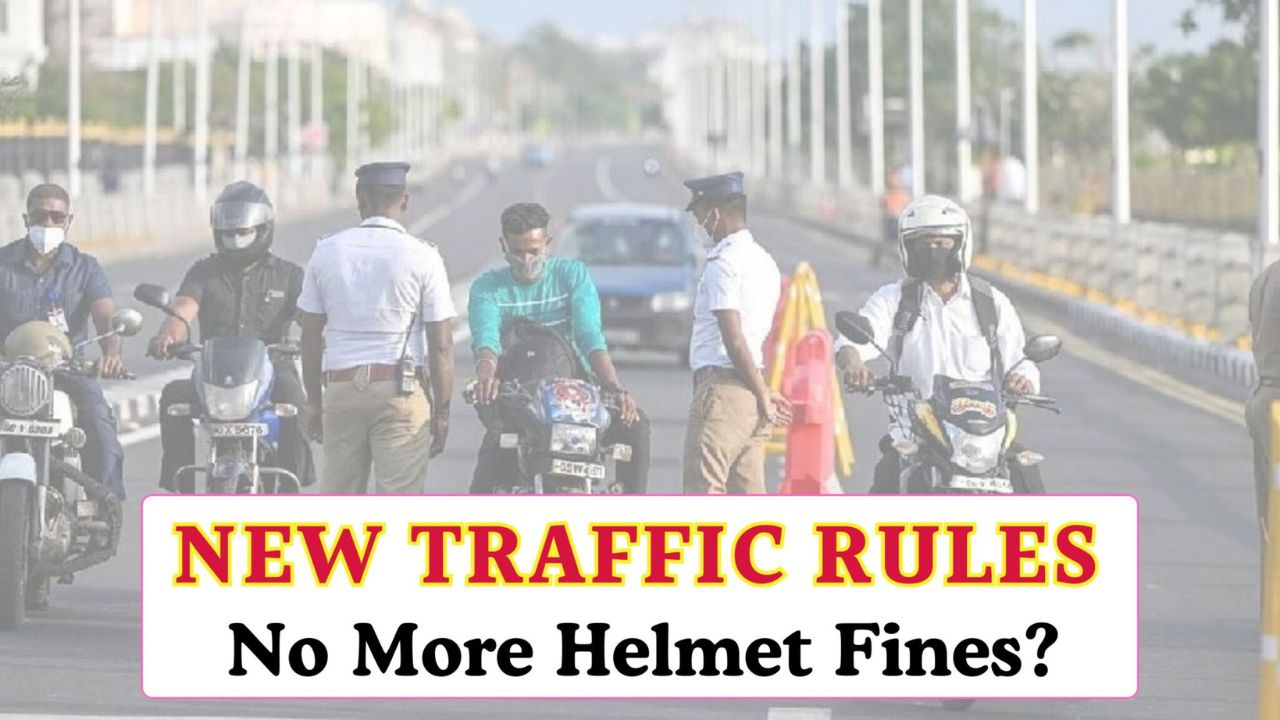
Before the larger reopening that seems to benefit the many two-wheel montaged bike riders of the ridership, the government has crippled by releasing New 2026 Traffic Rules that will be a provision of relief for the bike. The helmets are certainly a great safety measure to save the skin, life, and face, yet authorities have also explained conditions under which fines would not be applicable.
The Main Highlights of 2026’s Traffic Rules for Bikes
The new regulations have been focused on providing a good balance between rider safety and rider convenience. The rider’s newly applied standards apply to helmets, passengers, and lanes. In certain zones where the speed is slow or for shorter runs, a first-time noncompliance might be forgiven, thus lessening the immediate financial encumbrance stemming from those fines.
Helmet Criteria Explained
Henceforth, it is mandatory to don a helmet whilst on the high-speed roads and highways for both the rider and the pillion passenger. Nonetheless, against a backdrop of flexibility, the law may allow a rider not to wear a helmet under specific circumstances and conditions, such as on private residential properties and parking spaces specifically designated for parking and for no other purpose. The legislation is to bring about the necessity for law enforcement to maintain security without imposing infra-structure based punishment upon citizens.

Impact on Riders and Everyday Commuting
Two main benefits of these changes are much lower fines for violators and a clear idea of when they have to put on a helmet. The enforcement side should greatly benefit from these changes, making them easy to implement. Having more confidence will then translate into full compliance on the part of the riders.

Other Amendments on Road Rules for 2006
In addition to helmet regulations, the road traffic laws 2026 feature harsh punishments for driving so rashly, decorum for new lane usage, and overhauling of speed limits in urban areas, all under the rationale of reducing accidents, easing traffic, and ensuring public safety.

Public Safety Is Key
Safety is the showstopper under any circumstances when we talk about the laws pertaining to the 2026-year development in road transport. They not only suggest helmet but imposed full rules on all gear and obeying traffic laws. This would be augmented by the introduction of public education campaigns on how to ride safely under the new laws.
What Motorcycle Riders Should Now Do
Motorcyclists should take a concerted effort to be well acquainted with the updated rules of 2026, verify wherein low-speeed zones or residential areas some fines could possibly run low, and continue their best rider practices. Though the first two violations may undoubtedly provoke just a warning and check may be classified as no-charge, a third may cause penalty action to result.
Conclusion
Regulations enacted in 2017 provided relief to motorcycle riders for minor offenses such as helmet regulations with increased traffic safety standards. Proper education will enable public users to understand the significant number of both positive and negative outcomes of these rules, which could build a better motorcycle accidents scenario.