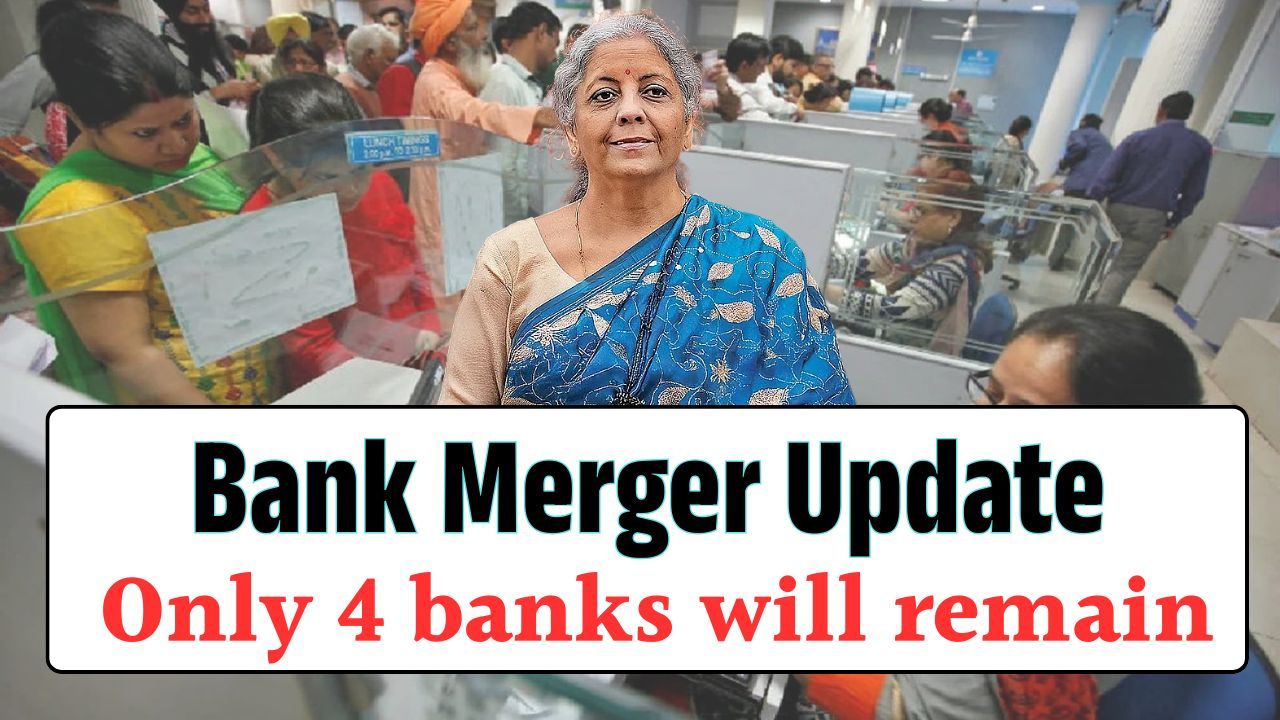
The government has taken steps toward the consolidation of public sector banks, with an aim to set up more solid, efficient institutions. The thrust of smaller public sector banks lies in the problem of dealing with high ‘non-performing assets’ (NPAs), inadequate capital, and related operational inefficiencies. The merger of banks should, however, serve to enhance the financial position of the banks, bring in economies of scale, and increase operational efficiency, thus making Indian banks more competitive on a global scale.
Major Update – With Public Sector Banks Done Away With
In the current line of thinking, discussion regarding policy and restructuring for 2026 is likely to further decrease the number of public sector banks only to give way to the last remaining four major banks of the country-all owning a mega status with nation-wide presence, strong balance sheets, and very advanced digital infrastructure.
How Does the Bank Structure Evolve?
Smaller and mid-size public sector banks would be merged with larger anchor banks as per the proposed scheme of amalgamation. Each one of the remaining four banks would be focusing on specific clusters such as retail banking, corporate loans, financing infrastructure, and international operations. This reorganization strives to eliminate any service duplication and to result in a better customer experience.

Impact of This Proposal on Bank Customers
The government clarified that the deposits, account numbers, and existing services will remain secure. Branches can be rationalized in some areas, yet customers can access banking services through nearby branches, ATMs, and digital platforms. Banking services through Internet banking, mobile apps, and UPI would become more integrated in the consolidated banks.
Job Possibilities for the Staff of Banks
The employees are a pivotal concern in the mergers and acquisitions plan. The high officials have confided that they will not consider mass layoffs. But there will be deployment, re-skilling, and redeployment of staff owing to the operational exigencies. Promotions, service conditions, and pensions are set to be safeguarded under the service rules of the government.

Why This Move Matters for the Economy
Fewer but stronger public sector banks can lend more efficiently to industries, MSMEs, and infrastructure projects. Larger banks also have better risk management capabilities and can raise capital more easily. This is expected to support long-term economic growth and improve confidence in the banking system.
Timeline for Implementation in 2026
The merger process is expected to be implemented in several phases by the year 2026. The approvals will be planned by the legal and technical department, tech division, etc., with the staff adjustments going forward fluidly to ensure operations remain uninterrupted. Customers will be timely informed about any modification of operations.

Key Benefits of the Mega Bank Model
The government believes that the faster decisioning would be possible with the presence of only four large public sector banks with created systems for improving loan recovery services, launching better digital service platforms, and alleviating the tax burden on citizens. The model is in accordance with the international operating practices for banking systems.
Final Note
The journey started by reducing public sector banks to four capped by the code of the biggest change in India’s banking landscape. Time for changes will take long; however, the ultimate aim in the long term is to establish a robust and powerful public sector banking system, so as to enable India to propel forward to achieve its growth ambitions beyond 2026.